
Articles· May 1, 2025
Safety Series: How to Protect Yourself on Michigan’s Waters
Safety Pop Quiz:What do you do if your clothes catch on fire?What number do you call in an emergency?What do you do if you’re drowning?The answer, by the way, is “Flip, Float and...
When caught in a strong current, flip over to get your mouth out of the water, float by filling your lungs with air, and follow the current to determine where it’s taking you. Then, swim perpendicular to the current to get out of it.
Founded as a nonprofit organization, the Great Lakes Surf Rescue Project (GLSRP) works in several key safety areas, including teaching water safety and providing open-water rescue training for lifeguards and first responders.
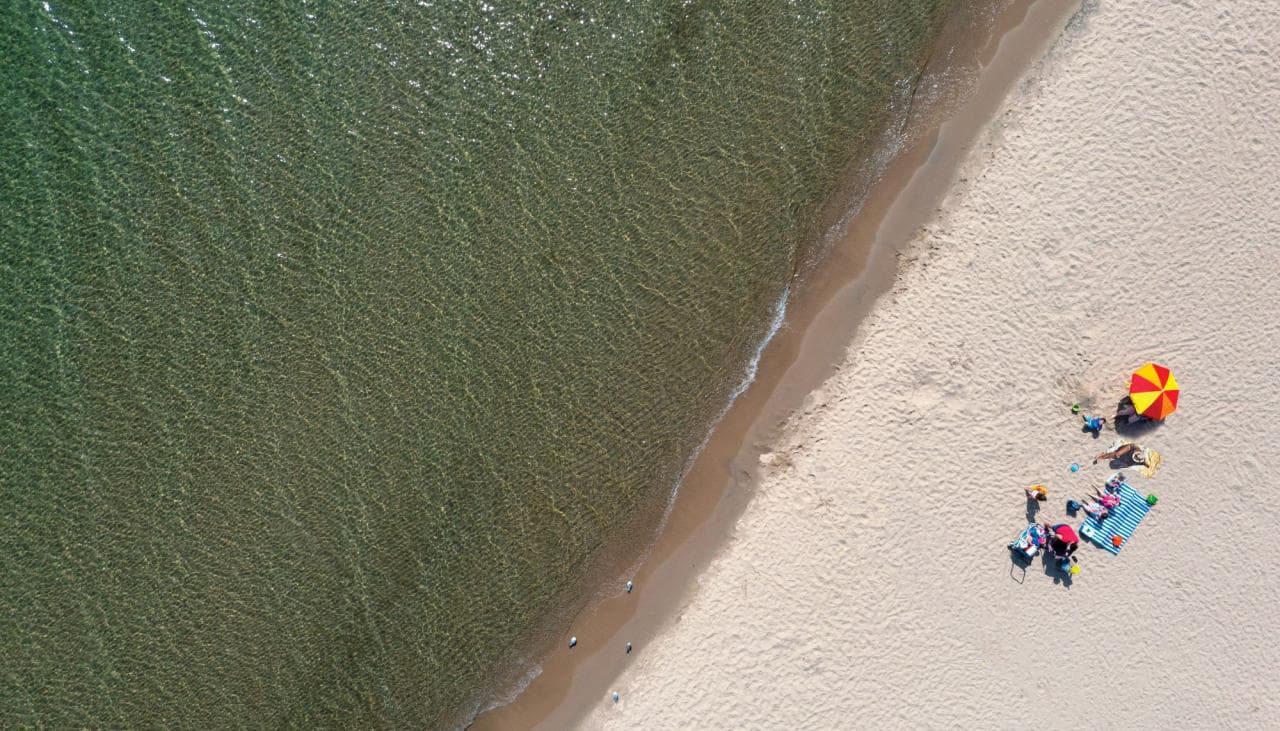
Michigan does not have lifeguards at its state parks, so water safety is up to individual responsibility. According to the Michigan Department of Natural Resources (DNR), “The Great Lakes are large, powerful water systems prone to dangerous currents that can threaten even the most experienced swimmer.”
“The power of the water is a condition, but water safety is not necessarily common sense,” Benjamin said. “People treat water safety as a recreation issue, but it’s a public health issue.”
He noted that even while most people surveyed will say that they know how to swim, that doesn’t always translate into survival skills. In any pool safety course, an individual is expected to swim 25 feet to get to an exit and then climb out of the water without any assistance. Imagine that being caught in a Great Lake current and the situation can escalate rapidly.
“The first stage of drowning is panic, which quickly exhausts your energy. Once you’re an active drowner, you can submerge in less than a minute. So, if you’re ever struggling in water, flip over on your back, get your head up high and take a deep breath,” he explained.
Understanding Currents
Many conversations around water safety are centered on riptides, which are strong, localized currents that can move away from the beach. The most common advice is to swim parallel to the shore until you can find a “break” in the current to swim to land.
That advice, however, really depends on the kind of current you’re dealing with, especially in the Great Lakes where all currents are driven by the wind. According to the National Weather Service, along with classic rip currents, there are longshore currents, structural currents (especially near piers and moored or anchored boats), outlet currents, channel currents and short period wind waves. Offshore winds can also quickly blow inflatables away from the shore.
“If the wind direction is hitting the beach at an angle, you could possibly be swimming against the current. And then the other aspect of that is that your eyes are only a few inches above the water,” Benjamin said. “But by floating, you may be able to float back to shore, or you may be able to float long enough for first responders to get to you.”
According to the DNR, spring and fall can be especially dangerous times. Cooling water temperatures can cause cold shock, which makes it hard to breathe and increases your risk of drowning. After Labor Day, DNR starts removing swim buoys, beach warning flags and other visual markers from state beaches.
Safety Measures
In the absence of lifeguards, Michigan has implemented several safety measures on its state beaches:
- Designated swim areas are typically identified by markers or buoys.
- In about 30 state parks, the Great Lakes flag system marks the day’s conditions as green (low hazard), yellow (medium hazard), red (high hazard) and double red (legally, you cannot enter).
- State Park Water Safety Flag System | Photo Courtesy of the Michigan DNR
- Several (but not all) beaches now have life rings with an attached line that can be tossed or dragged in by a first responder. Be aware of their location as soon as you arrive on the beach.
- Life jacket loaner stations are available on several beaches around the state.
In addition to state-implemented safety measures, beachgoers are urged to pay attention at all times. Always swim with a buddy or an observer on shore, no matter how good of a swimmer you are.
When children are playing near the water, they should be in a U.S. Coast Guard–approved life jacket, and your eyes should always be on them. A tip: take a photo of children in their bathing suits to be sure of what they’re wearing.
For more information about water safety courses, visit the Great Lakes Surf Rescue Project and Michigan DNR’s Great Lakes water safety resources.
Great Lakes Dangerous Currents & Flip, Float, and Follow Drowning Survival Strategy Explainer Video
Good to know
Frequently Asked
Everything you need to know before you go. Don’t see your question? Our AI concierge is one tap away.
Flip over to get your mouth out of the water, float by filling your lungs with air, and follow the current to determine where it’s taking you. Then, swim perpendicular to the current to get out of it.
According to the National Weather Service, there are longshore currents, structural currents, outlet currents, channel currents, and short period wind waves, in addition to classic rip currents.
Designated swim areas, the Great Lakes flag system, life rings, and life jacket loaner stations are some of the safety measures in place.
Always have them wear a U.S. Coast Guard–approved life jacket and keep a close eye on them. Take a photo of them in their bathing suits in case of an emergency.
Keep exploring
You might also like

Places to Stay in Detroit Michigan: A Guide for Every Traveler
Detroit is welcoming visitors with open arms and a vibrant energy. Whether you're drawn to its legendary music scene, historical landmarks, or its burgeoning culinary scene,...

Q&A with Stephen McGee
Photographer and filmmaker Stephen McGee talks about how Detroit captured his attention and the narrative that he wants to share about his adopted home city.

Black Music: How Michigan Launched Musical Revolutions
Did you know that in the era between Motown and disco, Detroit became the birthplace of punk? David, Bobby and Dannis Hackney, three brothers from Detroit, founded the band Death...

jessica Care moore: A Few of Her Favorite Places
Core memories shape who we will become, and our chosen homes define who we are. In her spoken word series, artist jessica Care moore reveals the essence of Pure Michigan that’s in...

Exploring Black Art in Michigan
Looking back at the works of painter Harold Neal and other Detroit artists of his time, we can see how these works responded to the Civil Rights, Black Power and Black Arts...
Fresh Lives Here: Fresh Vibes in the Upper Peninsula
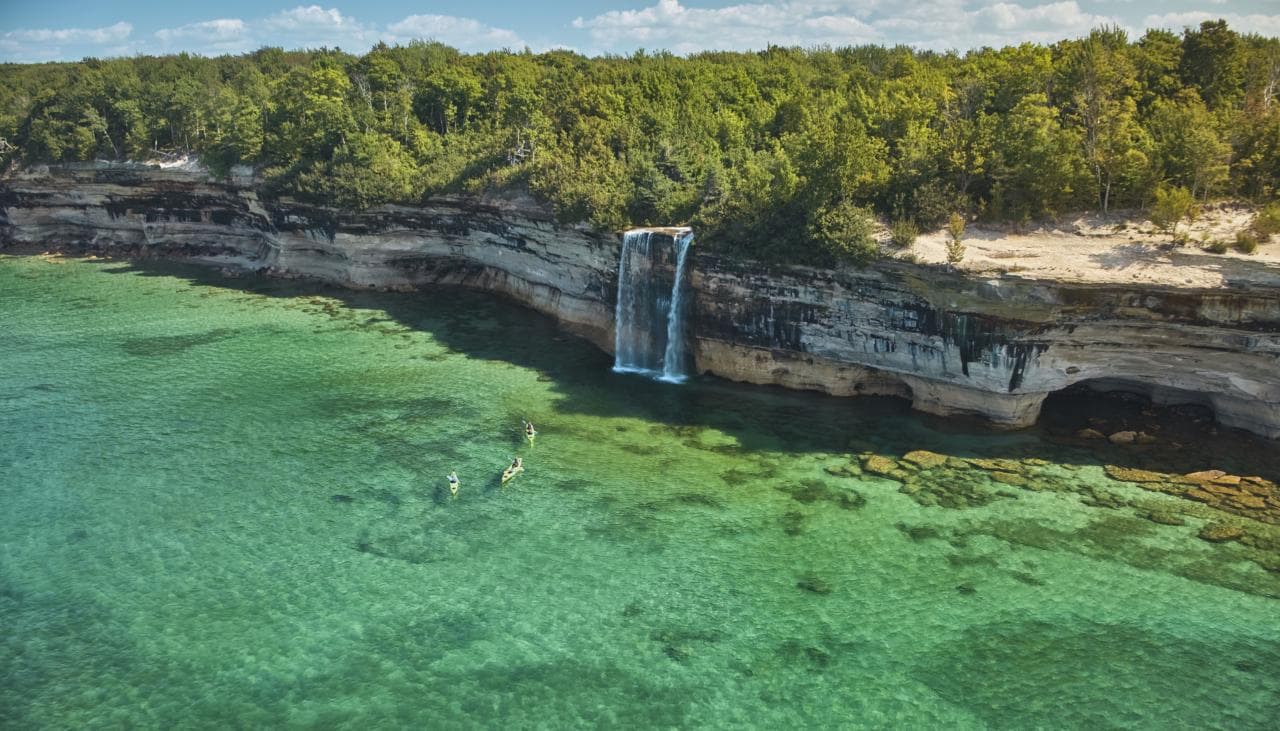
Centuries of erosion from wind, ice and waves have carved out massive sandstone cliffs that rise up from Lake Superior, streaked with colorful minerals that earned them the name...